

FUTURE OF WARFARE CONFERENCE AND DINNER 2026
In partnership with














Registration, Breakfast & Networking
Welcome and Opening Remarks
Richard Morgan
Air Vice-Marshal Mark Ridgway
Keynote
Networking Break
Future Warfare 2035-40
Themes:
-
The changing relationship between competition, crisis and conflict
-
Cognitive, informational and virtual spaces of warfare
-
How emerging technologies may or may not change assumptions of escalation, deterrence and tempo
Keynote
Networking Lunch Break
Integrated Force of 2040
Themes:
-
Integration across domains, government and industry
-
The balance between resilience, efficiency and adaptability
Keynote
Networking Break
Partnering the Future Force
- Strategic dependencies and industrial resilience
- The relationship between activity at range and security at home
Closing Remarks
Break and move to dinner venue
Dinner
Senior representative
Senior representative
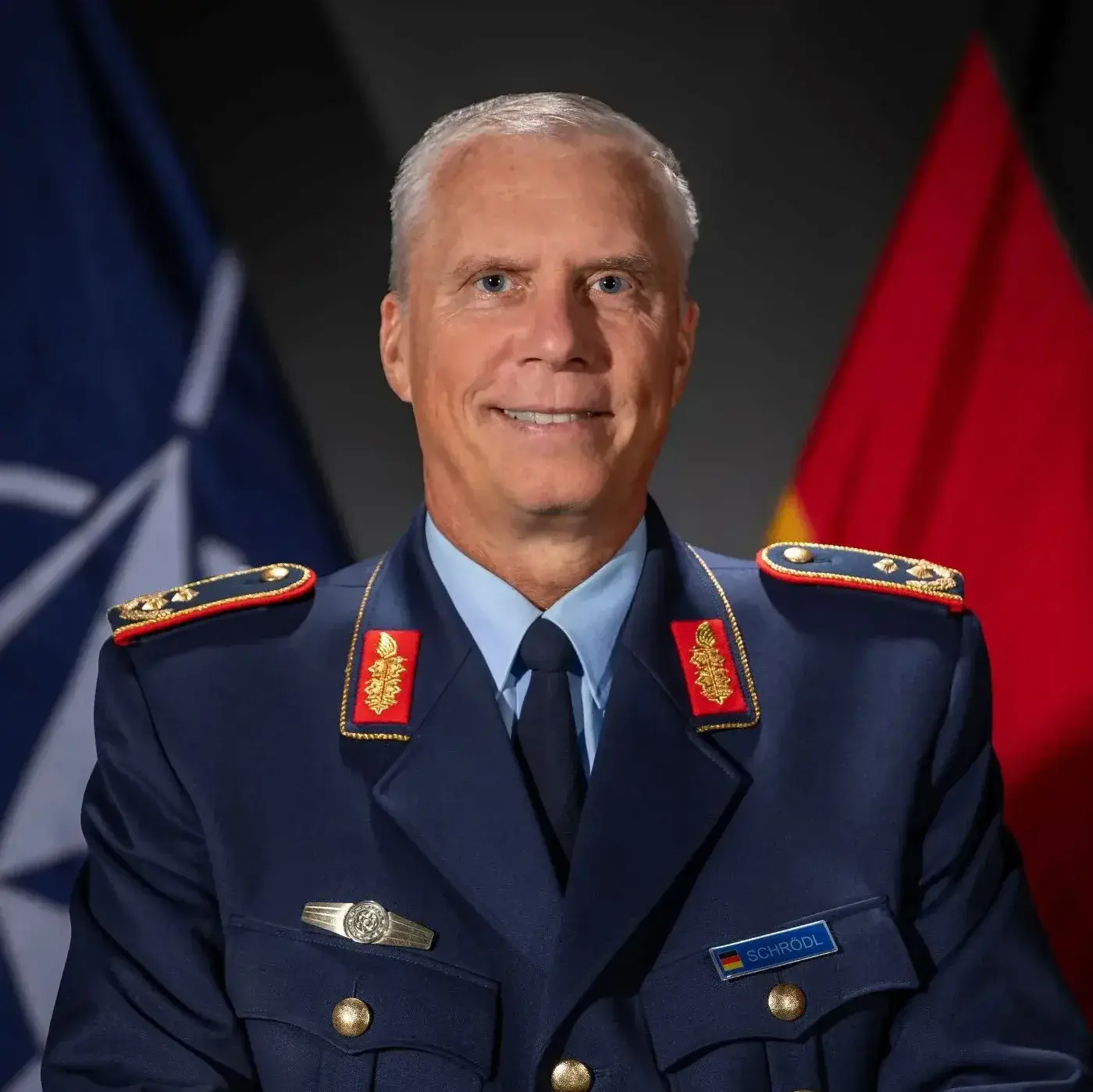
Major General Jürgen Schrödl is the Deputy Chief of Staff Strategic Plans and Policy at the Allied Command Transformation in Norfolk, Virginia, USA.
Previously, he was serving as the Director for Operations in the Major Directorate-General for the Armed Forces at the Federal Ministry of Defence in Berlin, Germany.
He was responsible for all Armed Forces Operations including Alliance and Homeland Defence, NATO and National Defence Plans; Joint Targeting, Special Forces, International Crisis Management, Force Planning and Synchronisation, Space and Military Policy for the German Chief of Defence.
Until April 2024 he held responsibility for the security and defence policy relations to about 150 countries as well as the political mandates for all operations and missions abroad including the evacuation operations in Afghanistan and Sudan. Additionally, he was deeply involved in drafting different national strategies and policy papers of the Federal Ministry of Defence.
Major General Jürgen Schrödl was born in December 1968, in Regensburg, Germany. He enrolled in the German Armed Forces in July 1988 and subsequently attended the German Air Force Officer Candidate School. He has a Masters Degree in Political Science from the University of Munich.
From 1993 to 2002 he served as a logistics officer, had an assignment in the 1st Mountain Division and commanded a supply squadron as well as a unit comparable to a logistics battalion.
In 2002, Major General Schroedl was selected to attend the two year long German Armed Forces General Command and Staff College course, which was followed by one year additional Masters programme at the Institute for Peace Research and Security Policy in Hamburg. From October 2005, he served as a lecturer for military and security policy at the Bundeswehr General Command and Staff College, where his areas of responsibility included the USA, Great Britain, France, the European Union and NATO.
During the period 2007 to 2012, he served as an Assistant Branch Chief in the Armed Forces Executive Staff / Central Affairs, before serving at the Supreme Headquarter Allied Powers Europe for three years as Military Assistant to the Supreme Allied Commander Europe, Admiral Stavridis.
Between 2012 and 2022 he served in different positions in the Directorate-General for Security and Defence Policy at the Federal Ministry of Defence related to operations. Additionally, he served in the Command and Staff College as the Course Director for the Capstone Course and Head Lecturer for Security and Defence Policy.
Major General Jürgen Schrödl is married to Alexandra, they have a son and a daughter. He enjoys golf, is interested in history, security policy and traveling. Major General Schroedl has been awarded the Bundeswehr Gold Cross of Honour and the NATO Meritorious Service Medal.
Air Chief Marshal Sir Richard Knighton KCB ADC FREng
Chief of the Defence Staff, Military Strategic Headquarters
Brought up in Derbyshire and educated at the local comprehensive school, Rich joined the Royal Air Force in 1988 as a University Cadet and studied Engineering at Clare College Cambridge. He spent his early career in frontline roles working on Nimrod Maritime Patrol Aircraft, Tornado and in several roles within the Harrier Force. He served as the Station Commander at Royal Air Force Wittering where he was also the RAF’s Logistics Force Commander.
Rich has held a range of staff appointments in the Ministry of Defence, Air Command and in acquisition and support. He has been closely involved in strategic and capability planning, including as Deputy Chief of Defence Staff for Military Capability in the Ministry of Defence and Deputy Commander Capability and People in the Royal Air Force.
As Chief of the Air Staff Rich was responsible for the strategic planning and delivery of all aspects of Royal Air Force operations, people and capability. During his time as Chief of the Air Staff he led the RAF during the most intense period of operational demand on the Service for more than a decade, with the Royal Air Force operating alongside global allies including conducting air strikes against Houthi rebels in Yemen, protecting NATO skies and supplying much-needed aid to Gaza and Ukraine.
He has completed the Advanced Command and Staff Course and attended the Royal College of Defence Studies and the UK Pinnacle Course. He is a Fellow of the Royal Academy of Engineers, holds an Honorary Doctorate from Derby University and is an Honorary Fellow of Clare College Cambridge. He is an ambassador for the Royal Air Force Charitable Trust and the Royal Air Forces Association. He was appointed to the Military Division of the Most Honourable Order of the Bath as a Commander (CB) in 2017 and as Knight Commander (KCB) in 2023.
On 27 June 2025 The Prime Minister announced that Sir Rich will be the next Chief of the Defence Staff from September 2025.
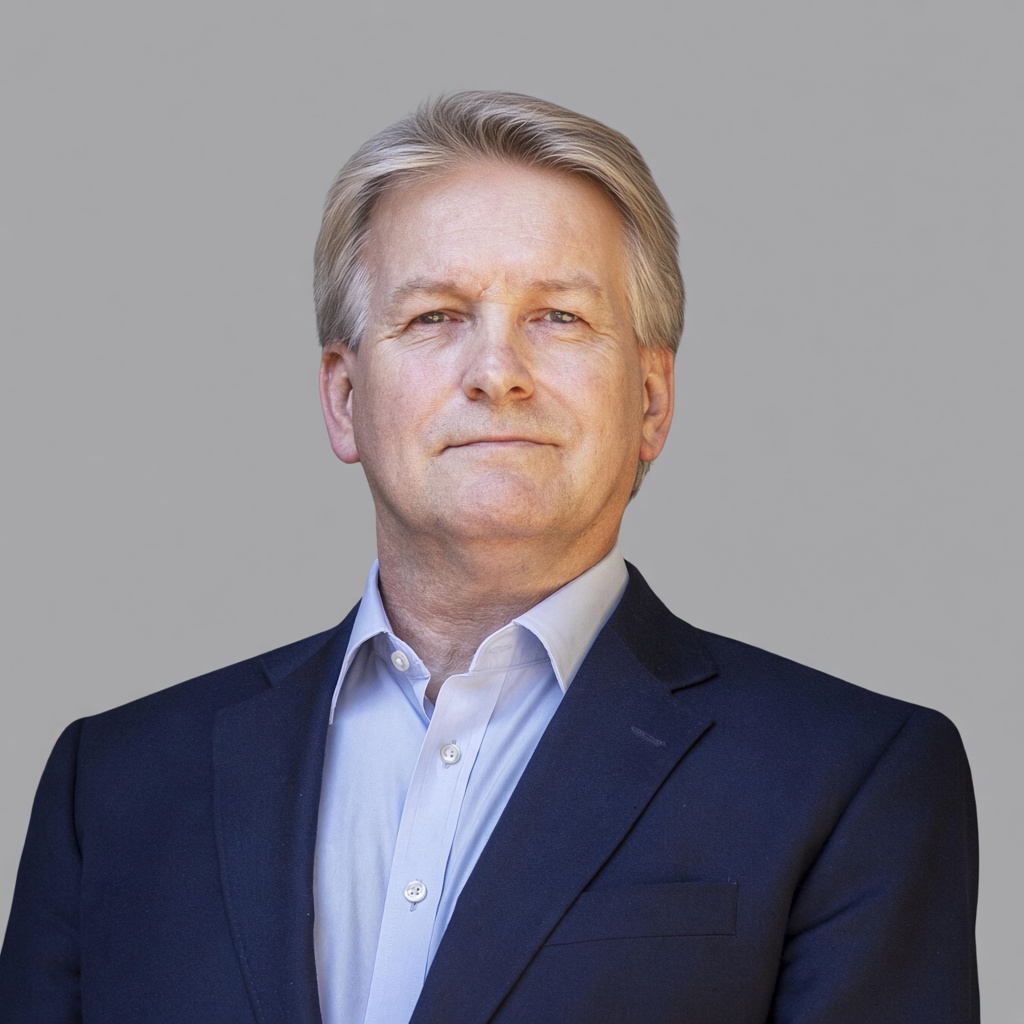
General Sir Jim Hockenhull KBE
Former Commander of Cyber and Specialist Operations Command
Jim Hockenhull left the British military in June 2026 after a career spanning more than 40 years, including over 10 years deployed on operations. His final appointment was as the Commander of Cyber and Specialist Operations Command, (formerly UK Strategic Command) responsible for UK Special Forces, Cyber Operations, Military Intelligence and Global Operations.
As a career intelligence officer he led Defence Intelligence, served on secondment with the Foreign Office and on exchange with the US Army.
Honours and awards include MBE, OBE, QCVS and the US Legion of Merit and US Bronze Star.
Born and educated in Scotland, Air Marshal Tim Jones CBE joined the RAF in 1995 as a pilot. He spent most of his operational career flying the Hercules C-130, including missions in TimorLeste, Iraq, Afghanistan, the Balkans and the Falkland Islands. He worked extensively with UK Airborne Forces, participating in operations and large-scale exercises, latterly as an instructor in tactical air mobility disciplines. In 2013, Jones served in the British Embassy Kabul in the Strategic Communications role for UK Forces. From 2016 until 2018, he commanded RAF Brize Norton, the RAF’s main air mobility base. His most recent operational experience was in 2020 as Head of RAF operations in the Middle East.
In staff appointments, Jones has occupied roles concerned principally with the planning of future front-line capability. From 2007 onwards, he spent three tours in the Ministry of Defence and two tours in the RAF’s Headquarters conducting capability and resource planning. This included devising the RAF’s Strategic Workforce Plan during the 2015 Strategic Defence and Security Review, and supporting the RAF’s participation in the 2021 Integrated Review. He was Assistant Chief of Defence Staff (Capability and Force Design) during the 2025 Strategic Defence Review. A graduate of the Royal College of Defence Studies, he also spent two years as Assistant Chief of the Air Staff, in which he led on the RAF’s international engagement.
He was appointed to his current role as Deputy Chief of Defence Staff (Force Development) in September 2025.
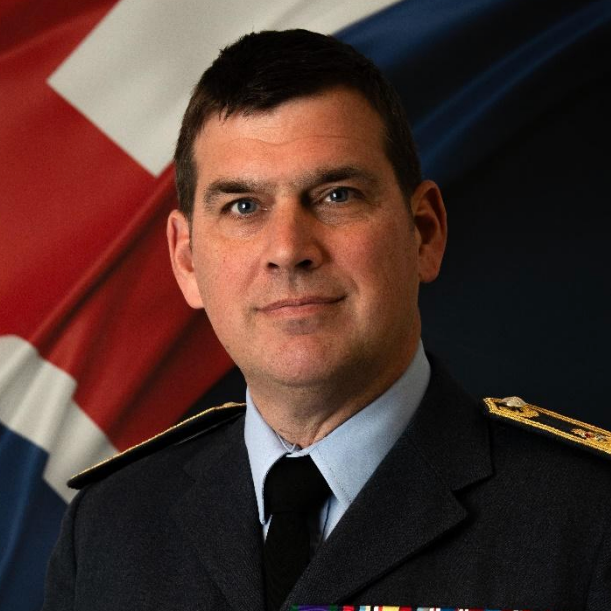
Air Vice-Marshal Mark Ridgway grew up in North London and joined the Royal Air Force in 1999, commissioning as an Intelligence Officer.
His staff tours to date have included in the Permanent Joint Headquarters, in the Air Warfare Centre, in 11 Group at Air Command, in the United States Central Command and in various professional roles across the RAF, Joint, Defence and international organisations. He has also had the privilege of commanding in single Service, Joint, pan- Defence, and multi-national entities. Mark has further deployed multiple times to Afghanistan, Iraq, and the wider Middle East.
Following a tour as Commander of the National Centre for Geospatial Intelligence, he became Director Defence Futures on promotion to Air Vice-Marshal in October 2024. Mark is a graduate of the UK Advanced and Higher Command and Staff Courses and an alumnus of the Windsor Leadership Trust.
Academically, Mark holds a Bachelor’s degree in Politics from the University of Nottingham and three Master’s degrees in: Terrorism Studies from the University of St Andrews; Defence Studies from Kings College, London; and Leadership and Management from the University of Portsmouth. The latter was conducted under a Chief of the Air Staff's Fellowship and focused on leadership of military and civil servant analysts. He subsequently completed a Doctorate in Business Administration under a further CAS Fellowship, studying empowerment and mission command in the Information Age military. Mark is a strong advocate of lifelong learning, diverse perspectives and empowered innovation.
In his spare time he enjoys running, reading and piano playing.
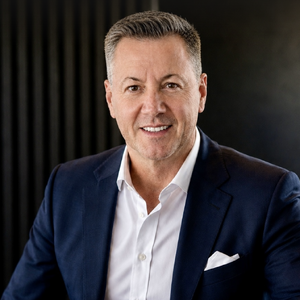
Joshua Kennedy-White is Chief Commercial Officer at IN2, a private intelligence company working across cognitive domain operations, defence and national security. A practical technologist with 30 years’ experience across government, security and private capital, he built the Australian Government’s countering violent extremism capability and led Accenture’s security business across Asia Pacific, the Middle East and Africa. His current work focuses on cognitive advantage for the warfighter, including secure LLM development, virtual environments and deployable emerging technology for frontline operators. He holds board and advisory roles across cyber, space and AI, and is a Global Ambassador for The HALO Trust.
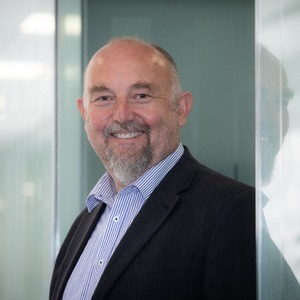
Rob’s previous role, also in the CTIO organisation, was to lead collaboration across the company’s own divisions and with external companies. A large part of this role was focused on multi-domain integration of communications and control, as Rob brings together BAE Systems’ teams from Land, Sea, Air, Space and Cyber in order to support how their products and services work together, as well as how they use open architectures to allow third-party integration.

George Carter is CEO and Strategy Partner at Darter and a specialist in defence digital transformation, AI and data strategy. He has worked across the RAF, MOD and industry, shaping digital strategy and supporting organisations to respond and adopt to emerging technologies at scale. George brings a practical perspective on how AI, data and digital capability can deliver operational advantage in future defence environments.
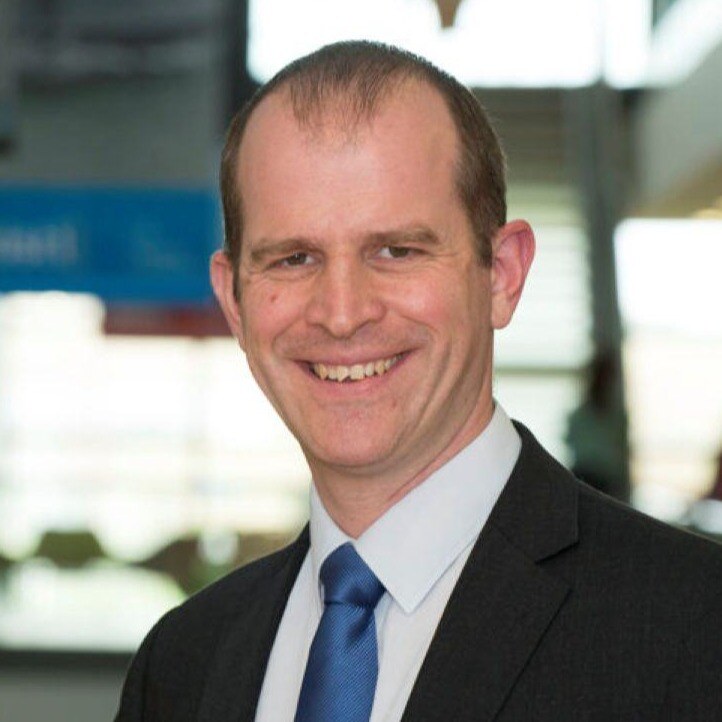
Professor Tim Dafforn has been the Chief Scientific Adviser (CSA) at the UK Ministry of Defence since July 2025. He is a Professor of Biotechnology and previously held roles as Director of the Institute of Advanced Studies at the University of Birmingham, and vice president and trustee of the Institute of Engineering and Technology. He is also currently a member of the Biotechnology and Biological Sciences Research Council (BBSRC). His fundamental research interests focus on the application of nanotechnology to enhance the exploitation of biomolecules for public good. He is also keenly interested in methods to maximise research impact, having founded two businesses to exploit research carried out within his laboratory.
Professor Dafforn was previously Chief Entrepreneurial Adviser at the former Department for Business, Energy and Industrial Strategy from November 2016 until October 2017. Prior to this, he was Chief Scientific Adviser at the Department for Business, Innovation and Skills (BIS). Professor Dafforn has also worked closely with previous MOD CSA, Dstl and UKRI to develop the UK’s Engineering Biology Strategy, resulting in a £2 billion commitment from HMG in the next decade. Until recently, he spent six years as a member of the Defence Science Expert Committee, assisting MOD on S&T portfolio development alongside projects on chem-bio resilience, futures and scientific assurance.
His career includes more than 100 publications and a lifetime research grant capture in excess of £10 million.
MOD Chief Scientific Adviser
The Chief Scientific Adviser (CSA) is MOD’s principal adviser on science and technology, with responsibility for directing research through the MOD’s core science and technology research portfolio. The CSA reports to the Permanent Secretary, and is a member of the Joint Requirements Oversight Committee and the Investment Approvals Committee.
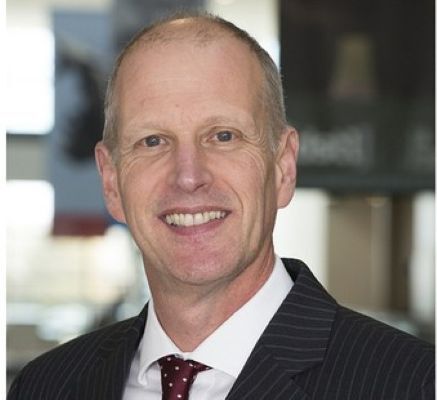
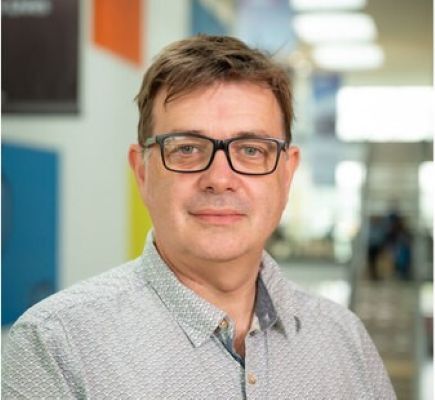
Following a degree in Chemistry at the University of Oxford, Andy obtained his PhD from the Department of Chemistry, University of Southampton, before joining Dstl (then CBDE) in 1994 after undertaking post-docs in Japan, France and Southampton. Andy became a Dstl Fellow in 2001 and accepted a two-year secondment to the Home Office as Chief Scientist for CBRN in 2005. Upon his return to Dstl in 2007, he was appointed Chief Scientist for Physical Sciences. Andy took over the Dstl Technical Directorate in 2012 and was CTO for Dstl from then until 2015.
As Head of the Centre for Applied Science and Technology (CAST) in the Home Office from 2015 to 2018, Andy led the organisation in providing S&T advice and solutions to support operational and policy development in policing, fire and rescue, borders and immigration, CT and security. He was integral to the CAST integration to Dstl.
Andy is both a Fellow of the Royal Society of Chemistry and of the Institute of Physics, and is a Council Member of the former. He holds a visiting chair at the University of Southampton Chemistry Department, is a Fellow of the University, and chairs the Chemistry Advisory Board. He sits on the Board of the Jill Dando Institute and is a member of the Advisory Committee to the Dawes Centre for Future Crime at UCL.
Andy accepted the now more-broadly defined Chief Technical Officer role for Dstl in October 2018 with responsibility for the direction and development of non-nuclear S&T capabilities to support the UK’s defence, security and resilience, and sits on the Executive Management Committee and Board.
Chief Science and Technology Officer
The Chief Science and Technology Officer is responsible for effective leadership of coherent, enterprise-level science and technology portfolio delivery and capability stewardship, through provision of constructive challenge, support and direction to delivery business units.
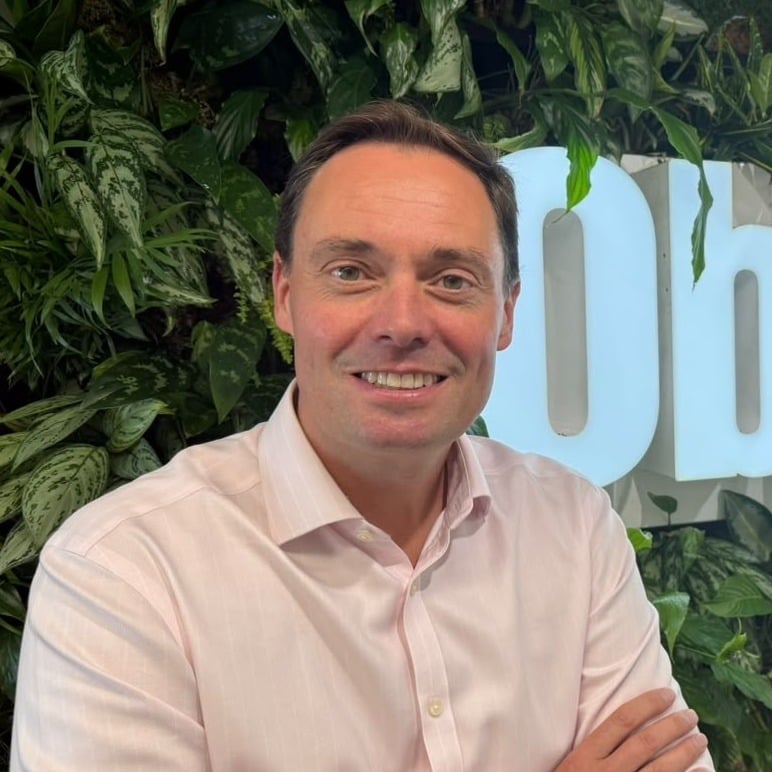
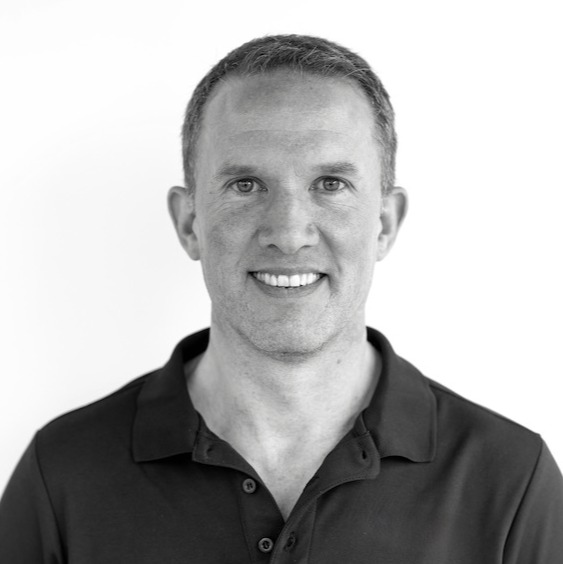
Hugh Botterill is Head of Defence & National Security at Objective Corporation, where he is leading the company's engagement across the UK Defence, National Security, AUKUS, and Five Eyes communities.
Following a 25-year career in the Royal Navy, Hugh brings extensive operational and strategic leadership experience, having commanded at sea and held senior staff appointments supporting Defence Ministers and the highest levels of UK Defence. His career has spanned capability development, maritime operations, acquisition, and international defence collaboration, providing first-hand insight into the importance of trusted information in delivering operational advantage.
At Objective, Hugh is focused on helping governments and industry to establish secure, trusted information foundations that enable collaboration, accelerate decision-making and unlock the potential of trusted AI across complex Defence programmes. He is particularly interested in discussions around AUKUS, digital sovereignty, defence innovation and strengthening UK-Australia industrial collaboration.
Ash Alexander-Cooper OBE leads the international public sector business at OpenAI, helping governments and institutions navigate the opportunities and responsibilities of frontier AI.
He previously held senior roles at Dedrone by Axon, Palantir Technologies and McChrystal Group in a career spanning three decades across military, government, technology and business. As a British Army officer, Ash spent 82 months deployed on joint and coalition operations, during which he was wounded multiple times.
He is also the author of Mindful Soldier: Building Resilience to Overcome Life’s Challenges, is a former international musician, and has represented England and Great Britain in three sports up to World Championship level.